New preprint: existing vaccine-autism studies cannot see children with mitochondrial problems
Why it matters
The Hannah Poling case showed that a child with a mitochondrial disorder can regress after vaccination. This paper argues large population studies are not built to detect that kind of vulnerable subgroup.

A preprint posted on Zenodo by authors linked to Children’s Health Defense, including Dr. Karl Jablonowski, argues that the vaccine-autism question remains open because population studies do not examine mitochondrial dysfunction, The Defender reported on May 8, 2026.
It cites research that about 5% of autistic children meet formal criteria for mitochondrial dysfunction and that 30% to 80% show milder abnormalities. Such children, the authors argue, may respond to vaccines differently than the general population.
The authors do not claim vaccines cause autism. They call for prospective studies of a “vaccine-mitochondria-autism” hypothesis. The paper has not been peer reviewed.
The authors say public debate collapses four questions into one: risk to the general population, regression in vulnerable children, how common mitochondrial problems are in autism, and how funding and peer review shape which questions get asked. Laboratory studies they cite suggest aluminum adjuvants, thimerosal, live viruses and mRNA lipid nanoparticles can affect mitochondria, oxidative stress and inflammation.
“Population studies that do not probe mitochondrial health are not going to find the association,” Jablonowski said. The paper concludes that “the current absence of definitive proof does not constitute proof of absence.” It also argues that the 1986 National Childhood Vaccine Injury Act, which shields manufacturers from ordinary lawsuits, limits public access to company data.
Originally reported by Brenda Baletti, Ph.D., The Defender (Children’s Health Defense), May 8, 2026.
Source
AJF reporting.
More from
Related coverage
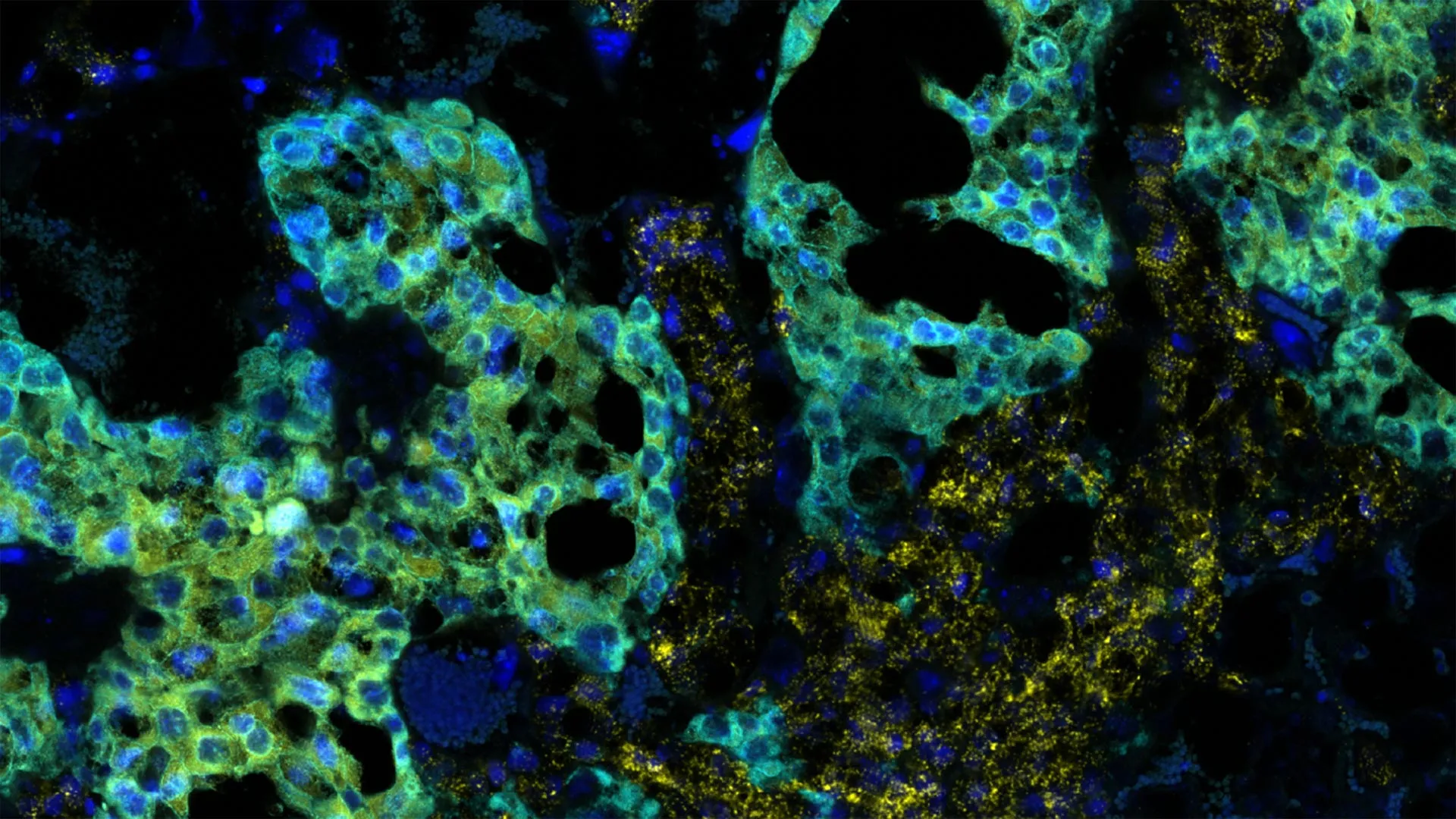 Image: ScienceDaily
Inflammation in pregnancy damaged the placenta and produced autism-like traits in male mice, Cold Spring Harbor study finds
The question at the heart of this site is what is driving autism. This study adds to evidence that immune activation during pregnancy matters, and it may help explain why boys are diagnosed far more often than girls.

CDC study in Pediatrics: parent-reported autism up 42% in five years, and 120% among preschoolers
This is the federal government’s own survey, published in the flagship pediatrics journal, and it shows autism rising faster than at any point in the CDC’s recent data. Children’s Health Defense asks the question the paper leaves open: what is driving it?

Kennedy launches a federal vaccine-injury push: an NIH clinic, paid VAERS reporting and a rebuilt reporting system
For decades families who reported a reaction after a vaccine were told it was a coincidence. HHS is now building a clinic to study those cases and paying doctors to report them. It is the most concrete step yet toward the vaccine-safety research Kennedy promised.