Inflammation in pregnancy damaged the placenta and produced autism-like traits in male mice, Cold Spring Harbor study finds
Why it matters
The question at the heart of this site is what is driving autism. This study adds to evidence that immune activation during pregnancy matters, and it may help explain why boys are diagnosed far more often than girls.
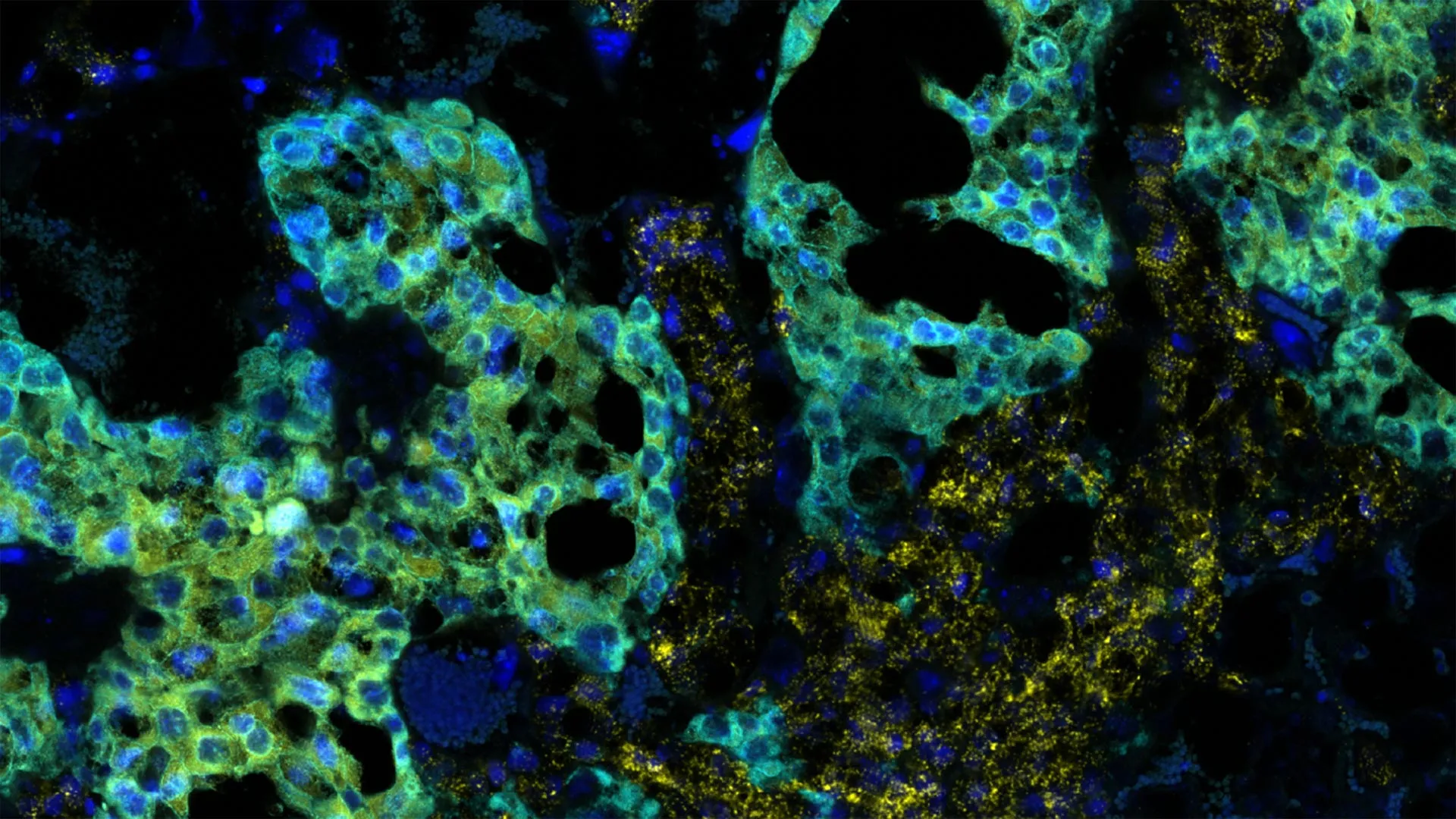
Researchers at Cold Spring Harbor Laboratory triggered immune activation in pregnant mice at different stages and found fetuses were most vulnerable at 12.5 days of pregnancy, ScienceDaily reported on November 3, 2026. About a third of fetuses showed developmental problems within 24 hours.
Autism-like traits appeared only in male fetuses, in every experiment, and those males also showed damage to placental cells that help the mother’s immune system tolerate the fetus. The work, led by Lucas Cheadle, is published in Science Advances.
The findings come from mice and do not show that the same process causes autism in people. The team plans to study both sexes more closely to look for mechanisms and possible treatment targets.
The researchers mimicked a viral infection without using a virus, giving pregnant mice a substance that sets off the same immune response. The sex difference showed up before hormone surges and before the brain differentiates by sex, which suggests the placenta, not the brain, is where the difference starts.
Two explanations are on the table: male embryos may make proteins that provoke a harmful response from the mother’s immune system, or female embryos may have a built-in protection. “To truly understand autism spectrum disorder, we have to look beyond the brain,” Cheadle said.
First author Dr. Irene Sanchez-Martin is a postdoctoral researcher at CSHL. The paper is in Science Advances, volume 12, issue 38.
Originally reported by Cold Spring Harbor Laboratory, published by ScienceDaily, November 3, 2026.
Source
AJF reporting.
Related coverage
CDC study in Pediatrics: parent-reported autism up 42% in five years, and 120% among preschoolers
This is the federal government’s own survey, published in the flagship pediatrics journal, and it shows autism rising faster than at any point in the CDC’s recent data. Children’s Health Defense asks the question the paper leaves open: what is driving it?

Kennedy launches a federal vaccine-injury push: an NIH clinic, paid VAERS reporting and a rebuilt reporting system
For decades families who reported a reaction after a vaccine were told it was a coincidence. HHS is now building a clinic to study those cases and paying doctors to report them. It is the most concrete step yet toward the vaccine-safety research Kennedy promised.
 Post
Hulscher on X: “first-ever” study of childhood COVID vaccination and autism in federal survey data
This is the post that took the McCullough Foundation’s new NHIS paper viral. Read it alongside our write-up of the study, which explains what the survey data can and cannot show.