Danish study says broader diagnosis explains the autism rise; CHD scientists say it never looked at toxins
Why it matters
“Better diagnosis” is the standard explanation for rising autism numbers. This is one of the strongest recent studies behind it, and the argument over what it does and does not show is central to the causation debate.

A JAMA Psychiatry study led by Dr. Sonja LaBianca of Copenhagen University Hospital analyzed more than 37,000 people in Denmark diagnosed with autism or ADHD between 1994 and 2016. It found genetic risk scores fell over time as diagnoses rose, and concluded the increase likely reflects broader diagnostic criteria.
Some outlets reported the study as evidence against a vaccine link. The Defender, reporting on June 25, 2026, notes the study did not mention vaccines or examine environmental exposures. CHD scientists Dr. Brian Hooker and Dr. Karl Jablonowski argue that environmental exposures could lower the genetic threshold for autism, pointing to the expanded vaccine schedule and acetaminophen among others.
U.S. figures cited in the article: the CDC’s estimate rose from 1 in 36 eight-year-olds (2020) to 1 in 31 (2022).
The Danish team used the national iPSYCH data and tested three explanations: broader criteria, conditions that used to be diagnosed separately being folded in, and better detection. Their numbers fit only the first. The paper calls autism and ADHD highly heritable but does not rule out environmental factors.
Hooker described the pattern as “a lowering of the genetic threshold required to reach a toxic tipping point.” Jablonowski asked why none of the hypotheses considered “the explosion of toxic exposures like pesticides, vaccines and wireless radiation since the 1990s.” The study authors did not respond to The Defender.
Originally reported by Suzanne Burdick, Ph.D., The Defender (Children’s Health Defense), June 25, 2026.
Source
AJF reporting.
Related coverage
 Image: WGCU News
Free autism screenings for toddlers at Golisano Children’s Hospital in Fort Myers, no referral needed
Early diagnosis opens the door to early help, and long waits for an evaluation are one of the biggest complaints we hear from Florida families. This one costs nothing and needs no doctor’s referral.

Researchers propose a standard definition of “profound autism,” and the fight over the label grows
Families of children who cannot speak or be left alone safely have long said research and services overlook them. A shared definition decides who gets counted, studied and funded, which is why some parents push for it and some autistic adults oppose it.
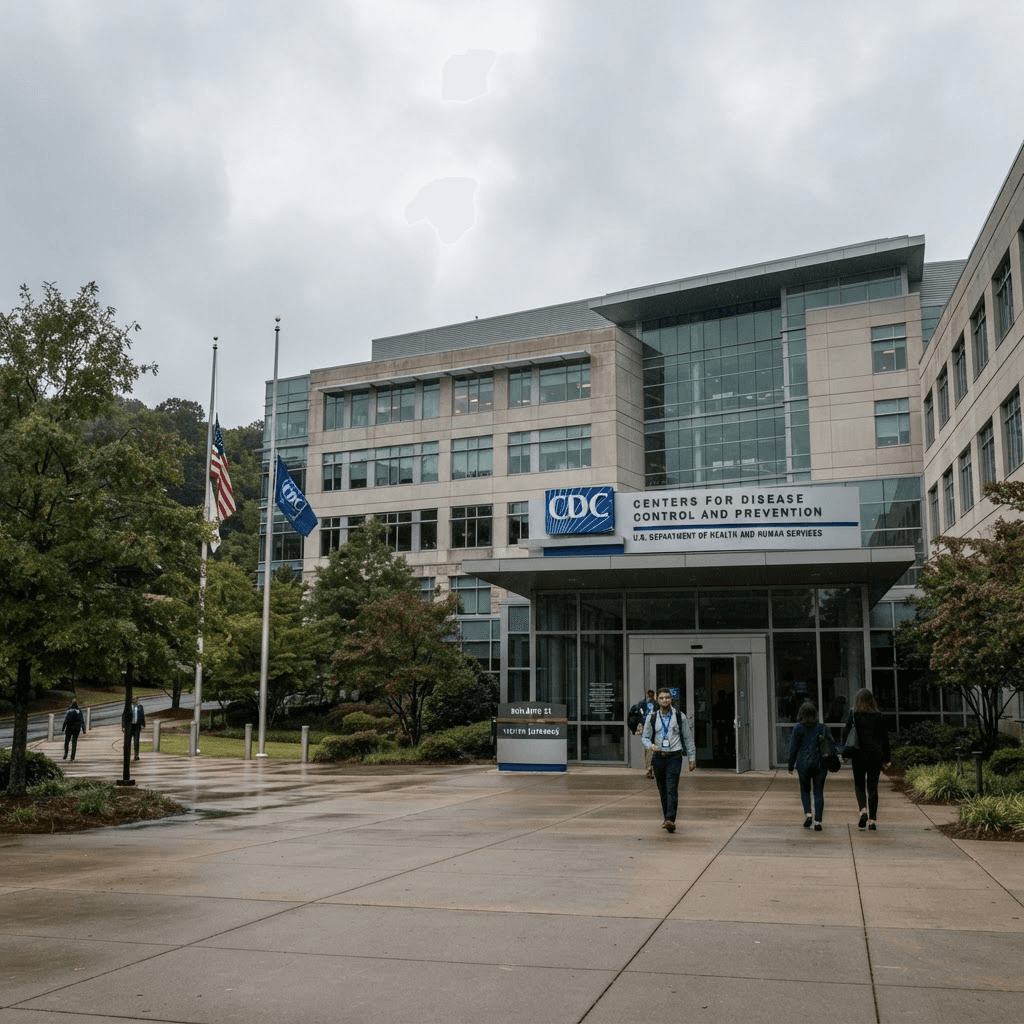
CDC study in Pediatrics: parent-reported autism up 42% in five years, and 120% among preschoolers
This is the federal government’s own survey, published in the flagship pediatrics journal, and it shows autism rising faster than at any point in the CDC’s recent data. Children’s Health Defense asks the question the paper leaves open: what is driving it?