Free autism screenings for toddlers at Golisano Children’s Hospital in Fort Myers, no referral needed
Why it matters
Early diagnosis opens the door to early help, and long waits for an evaluation are one of the biggest complaints we hear from Florida families. This one costs nothing and needs no doctor’s referral.
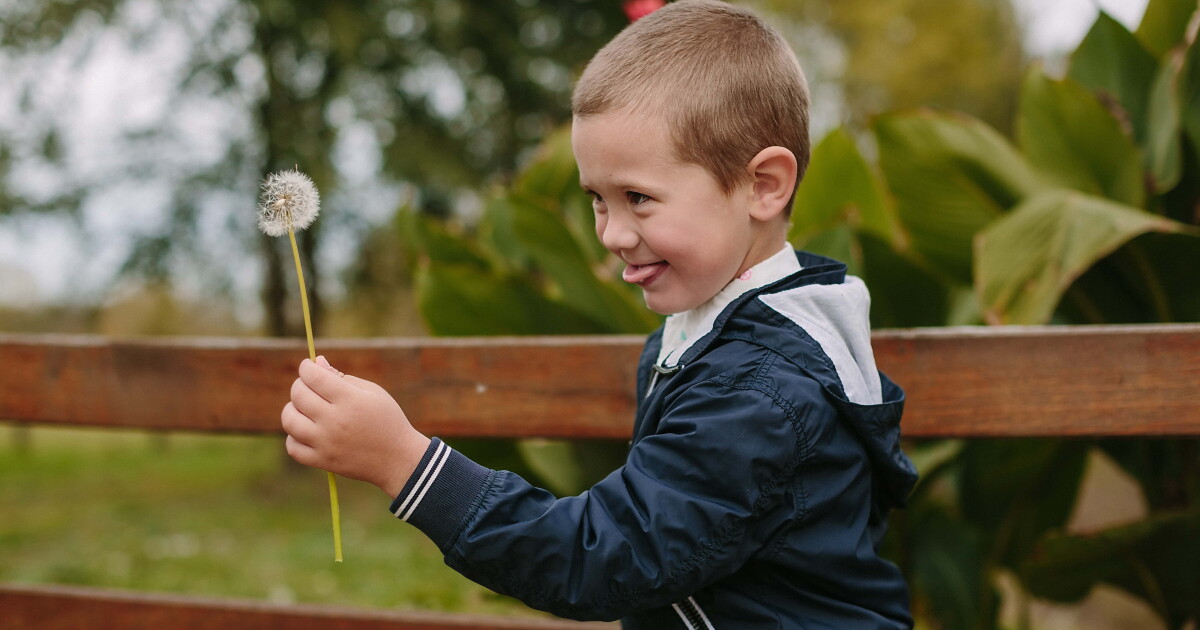
Golisano Children’s Hospital of Southwest Florida offers free autism spectrum disorder screenings for children aged 18 months to 5 years, WGCU News reports. Screenings run monthly.
The next sessions are November 11 and November 13, 2026, from 9 a.m. to 2 p.m. at the hospital’s Pediatric Specialist Office, 15901 Bass Road, Fort Myers. No referral is required. To book a time, call 239-343-6838.
A screening is not a diagnosis. It flags children who should go on to a full evaluation, which is the step that unlocks therapy and school services.
Why it matters for families: CDC data put the median age of an autism diagnosis at about 47 months, and only about half of autistic children are evaluated by age 3. A screening at 18 months or 2 years can start that process years earlier.
What to bring: there is no cost and no referral, so a parent or guardian only needs to call ahead to book a slot. If the screening suggests autism, ask the screening team which developmental pediatrician or psychologist they refer to for a full evaluation, and how long the wait is.
Originally reported by Cary Barbor, WGCU News (PBS and NPR for Southwest Florida), November 9, 2026.
Source
AJF reporting.
More from
Related coverage
From personal pain to national crusade: Dr. Gary Kompothecras and the fight against the autism epidemic
A father’s heartbreak became a movement. Dr. Gary Kompothecras spent two decades fighting for answers for his own children. Now, as Chairman of the Autism Justice Foundation, he is uniting the scattered autism groups behind one mission and Robert F. Kennedy Jr.’s reform agenda.
Researchers propose a standard definition of “profound autism,” and the fight over the label grows
Families of children who cannot speak or be left alone safely have long said research and services overlook them. A shared definition decides who gets counted, studied and funded, which is why some parents push for it and some autistic adults oppose it.
 Image: Autism Digest
Autistic Self Advocacy Network publishes a plain-language guide against the “profound autism” label
Whether a label helps or hurts depends on what follows it: services, research money, or guardianship. Families weighing the profound-autism debate should hear the strongest case on each side.