Fact sheet: the autism epidemic at a glance, what it costs, and the reform agenda
Why it matters
One page with the numbers every parent, reporter and lawmaker should know: how fast autism has grown, what it costs families and taxpayers, and the reforms the Foundation is fighting to put in place.

The Autism Justice Foundation and Vaccine Veritas are working to unite America to make our children healthy again. Here are the facts behind that mission.
The autism epidemic at a glance
- 1970s: 1 in 10,000 children
- 2000: 1 in 150
- 2010: 1 in 68
- 2016: 1 in 54
- 2020: 1 in 36
- 2022: 1 in 31
- 2030 projection: 1 in 20 if trends continue
Boys are affected at nearly four times the rate of girls.
What autism really means
Autism is not a single illness. When people say “autism” they mean a syndrome, a constellation of developmental, neurological and behavioral problems that vary from child to child. Core challenges can include:
- Communication and language delays: limited speech, trouble expressing needs, delayed milestones.
- Social and emotional differences: difficulty with eye contact, peer interaction and social cues.
- Repetitive or restrictive behaviors: rocking, hand-flapping, rigid routines, lining up objects.
- Sensory processing problems: heightened or reduced sensitivity to light, sound, touch or smell.
- Motor difficulties: clumsiness, toe-walking, poor fine-motor coordination.
- Cognitive variability: from intellectual disability to exceptional skills in narrow areas.
- Medical conditions that often come with it: gastrointestinal problems, seizures or epilepsy, immune dysregulation and chronic inflammation, sleep disturbances, allergies and food sensitivities, and ADHD-like symptoms.
The bottom line: seeing autism as a syndrome, not a single disease, focuses attention on the environmental, medical and policy factors that can be addressed to improve children’s lives.
Economic and social costs
- $223 billion a year in autism-related costs (2020)
- $589 billion a year projected by 2030
- $1.36 trillion a year projected by 2040
- About $60,000 a year in costs for an average family (therapies, care and lost wages)
- Families face emotional strain, higher divorce rates and lower workforce participation
The vaccine reform agenda (Trump and RFK Jr., 2025)
On September 22, 2025, President Trump and HHS Secretary Robert F. Kennedy Jr. called for:
- Splitting the MMR vaccine into single doses.
- Delaying the hepatitis B vaccine until adolescence.
- Removing mercury preservatives and aluminum adjuvants.
- Spacing childhood vaccines over multiple visits.
- New independent research into vaccine safety and environmental triggers.
Our mission and goals
- Coalition building: bring regional and national organizations together under one focused mission.
- Legal assistance: connect families with attorneys in vaccine injury, disability and education law.
- Parent and community empowerment: workshops, resources and advocacy training for schools, legislatures and local campaigns.
- Public education: livestreams, documentaries and digital campaigns that reach millions.
- Political mobilization: equip citizens to demand action from Congress and state legislatures and to reduce pharmaceutical influence.
What you can do
- Visit autismjusticefoundation.org and vaccineveritas.org.
- Watch the “Vaxxed” director’s cut livestream with experts and live Q&A.
- Contact Congress and your governor to demand vaccine-safety hearings and less pharmaceutical influence.
- Share our campaigns on social media and educate your community.
Unite. Empower. Reform. Make America Healthy Again.
Source
AJF reporting.
More from
Related coverage

From personal pain to national crusade: Dr. Gary Kompothecras and the fight against the autism epidemic
A father’s heartbreak became a movement. Dr. Gary Kompothecras spent two decades fighting for answers for his own children. Now, as Chairman of the Autism Justice Foundation, he is uniting the scattered autism groups behind one mission and Robert F. Kennedy Jr.’s reform agenda.
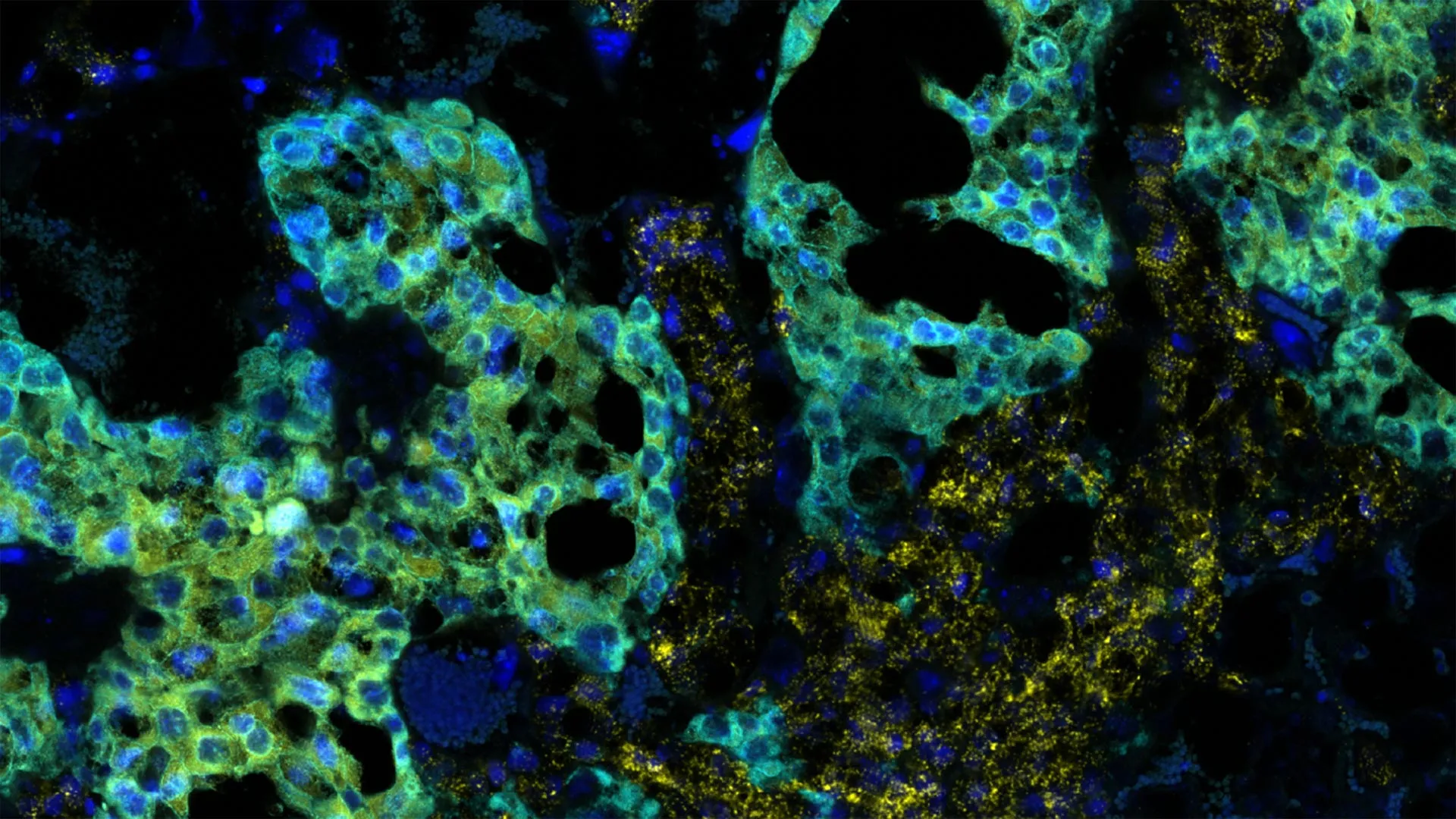 Image: ScienceDaily
Inflammation in pregnancy damaged the placenta and produced autism-like traits in male mice, Cold Spring Harbor study finds
The question at the heart of this site is what is driving autism. This study adds to evidence that immune activation during pregnancy matters, and it may help explain why boys are diagnosed far more often than girls.

Researchers propose a standard definition of “profound autism,” and the fight over the label grows
Families of children who cannot speak or be left alone safely have long said research and services overlook them. A shared definition decides who gets counted, studied and funded, which is why some parents push for it and some autistic adults oppose it.