
Appeals court revives more than 500 lawsuits linking prenatal Tylenol to autism
Why it matters
Months after the administration flagged acetaminophen in pregnancy as a possible autism risk, families who sued Tylenol’s maker get their day in court back. It is the largest autism-causation litigation in the country.

On July 13, 2026, the U.S. Court of Appeals for the Second Circuit revived the consolidated lawsuits against Kenvue, the maker of Tylenol, which claim that acetaminophen use during pregnancy is linked to autism and ADHD. Judge Guido Calabresi wrote the 64-page opinion for the three-judge panel.
The court held that U.S. District Judge Denise Cote exceeded her discretion when she excluded the plaintiffs’ three expert witnesses, Drs. Andrea Baccarelli, Eric Hollander and Brandon Pearson, and sent the cases back to her. The panel did not decide whether acetaminophen causes autism. The court later denied Kenvue’s request for a rehearing.
Kenvue says Tylenol is safe and that credible science shows no proven link, and it plans to challenge the experts again.
Source
AJF reporting.
Related coverage
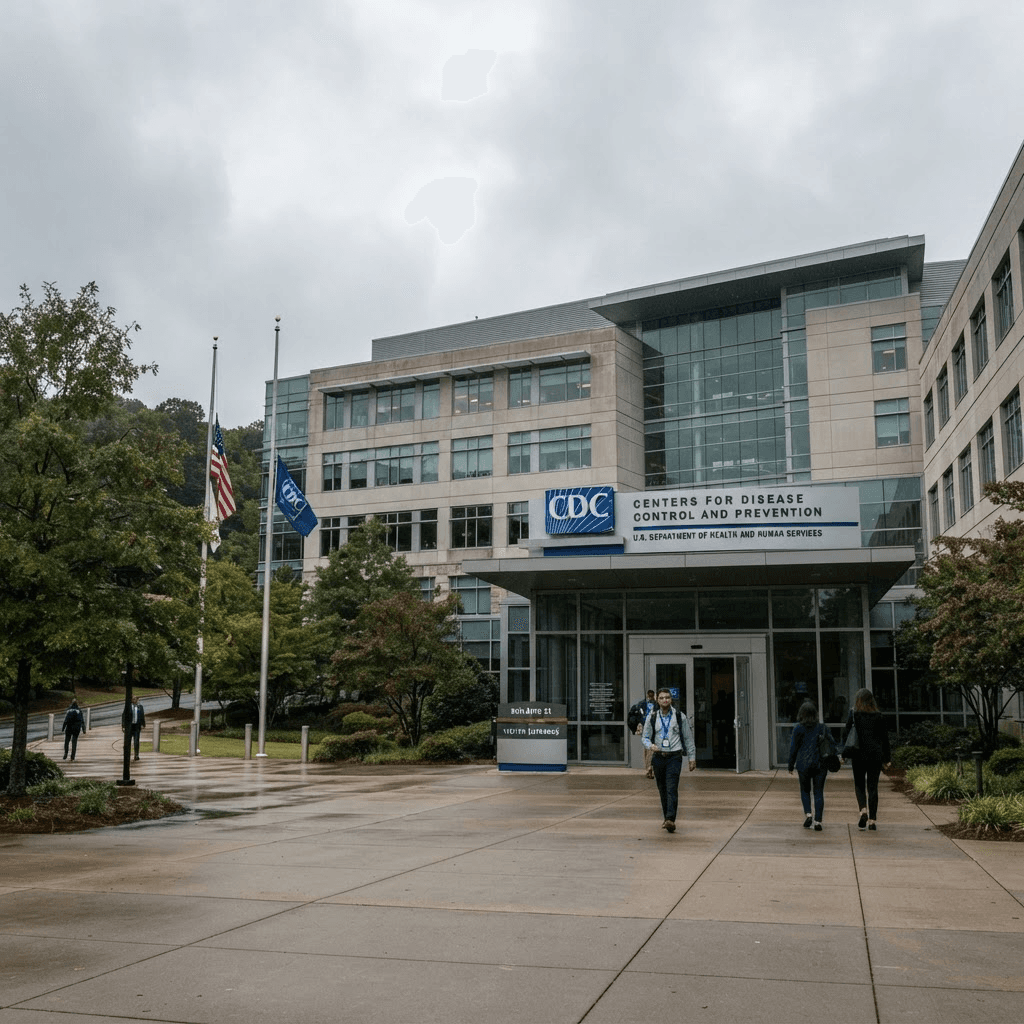
CDC study in Pediatrics: parent-reported autism up 42% in five years, and 120% among preschoolers
This is the federal government’s own survey, published in the flagship pediatrics journal, and it shows autism rising faster than at any point in the CDC’s recent data. Children’s Health Defense asks the question the paper leaves open: what is driving it?

Kennedy launches a federal vaccine-injury push: an NIH clinic, paid VAERS reporting and a rebuilt reporting system
For decades families who reported a reaction after a vaccine were told it was a coincidence. HHS is now building a clinic to study those cases and paying doctors to report them. It is the most concrete step yet toward the vaccine-safety research Kennedy promised.

Appeals court in Boston hears Kennedy’s bid to revive the slimmed-down childhood vaccine schedule
This lawsuit decides whether the January 2026 schedule overhaul and Kennedy’s new ACIP can take effect at all. Until the First Circuit rules, the old schedule stays in force and the reconstituted vaccine committee cannot vote.