Education Department releases an extra $144 million for special education and early intervention
Why it matters
IDEA pays for school services for autistic students and for early intervention for babies and toddlers. New guidance also lets states start helping families before a child is born.
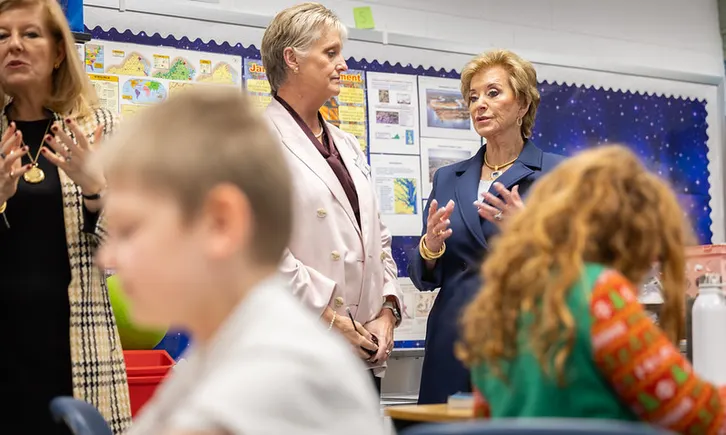
The U.S. Department of Education will release an additional $144 million this year under the Individuals with Disabilities Education Act, K-12 Dive reported on May 13, 2026: about $123.6 million for Part B (ages 3 to 21) and $20.5 million for Part C early intervention (birth to age 2), paid out July 1 and October 1.
New guidance lets states use Part C funds to help expectant parents prepare when they learn before birth that their child will have a disability, with services starting within 45 days of birth.
About 8.2 million students qualified for IDEA services in 2024, up 12.6% from 2019. The President’s fiscal 2027 budget would cut staff at the department’s special education office from 163 to 31.
The money comes from unspent funds returned to the department that do not expire. “For the first time, states can allocate funds to help parents receive support” before a child is born, Education Secretary Linda McMahon said. The guidance’s example is a mother who learns from genetic testing that her baby will have Down syndrome.
For fiscal 2026, Congress funded IDEA Part B at $14.2 billion and Part C at $540 million. About 458,920 infants and toddlers received early intervention in 2024, down 1%. The department has cut its staff roughly in half since 2025, and McMahon has floated moving some special education oversight to other agencies; critics have sued over the changes.
Originally reported by Kara Arundel, K-12 Dive, May 13, 2026.
Source
AJF reporting.
Related coverage

From personal pain to national crusade: Dr. Gary Kompothecras and the fight against the autism epidemic
A father’s heartbreak became a movement. Dr. Gary Kompothecras spent two decades fighting for answers for his own children. Now, as Chairman of the Autism Justice Foundation, he is uniting the scattered autism groups behind one mission and Robert F. Kennedy Jr.’s reform agenda.
Researchers propose a standard definition of “profound autism,” and the fight over the label grows
Families of children who cannot speak or be left alone safely have long said research and services overlook them. A shared definition decides who gets counted, studied and funded, which is why some parents push for it and some autistic adults oppose it.
 Image: GPB News
Georgia autism therapy providers face a 30% Medicaid cut, and candidates for attorney general clash over it
When Medicaid pays less for autism therapy, clinics close or stop taking new children. Georgia families on Medicaid are now at risk of losing services that many waited months to get.